
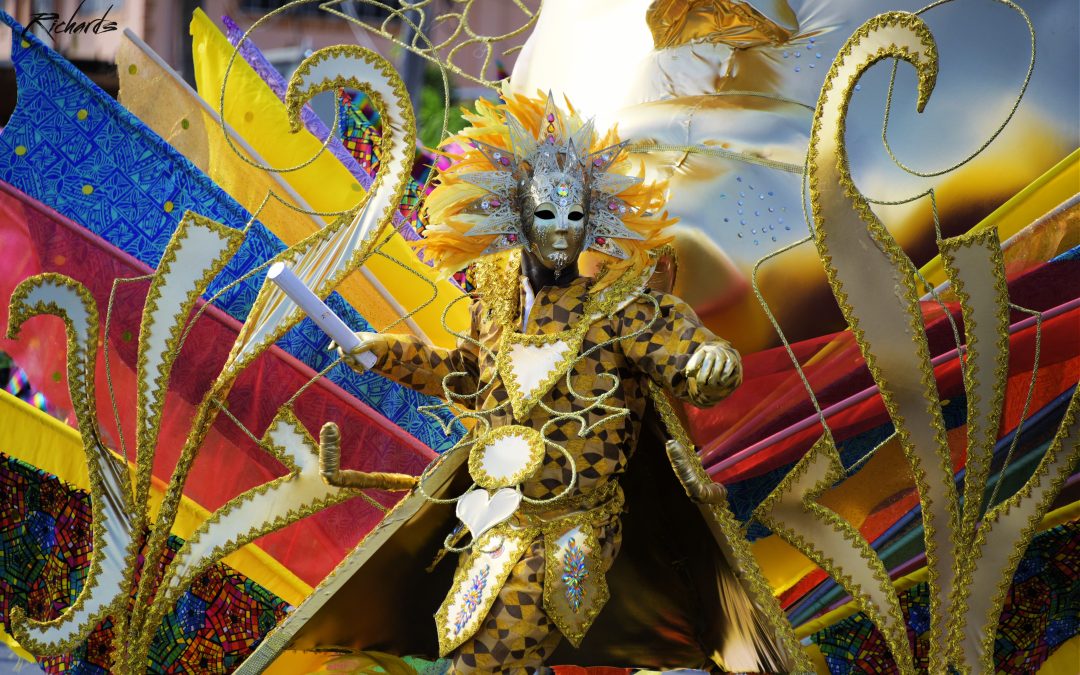
Photo Credit: Amanda Richards
Take a stroll through the vibrant streets of Georgetown, Guyana, on February 23, and you’ll feel it instantly, the air alive with energy. Boom boxes pulse through the streets, drawing revellers and onlookers into the rhythm. It’s Mashramani, Guyana’s spectacular Republic Day celebration, and the city transforms into a kaleidoscope of colour, music, and national pride.
But the excitement doesn’t begin on the 23rd; the festivities kick off well before Republic Day, creating a month-long tapestry of activities that showcase the richness of our culture. Artisans, musicians, and dancers display their talents, offering visitors an appreciation for the warmth and creativity that define our nation.
Guyana is to Mashramani as Trinidad is to Carnival or Barbados to Crop Over
Almost every Caribbean destination has its defining celebration — Trinidad has Carnival, Barbados has Crop Over, Grenada has Spicemas, and Guyana has Mashramani.
Each festival reflects the rhythm, history, and cultural heartbeat of its people. In Guyana, that heartbeat comes alive every Republic Day through Mashramani — a celebration rooted in identity, pride, and the joy of coming together after hard work.
Each year in February, Guyana shifts into celebration mode. The energy builds weeks before Republic Day (February 23) with soca, calypso, chutney, [and now] dancehall monarch competitions, steelpan competitions, children’s parades, flag-raising ceremonies, village celebrations, food fairs, and the iconic Mashramani float parade through Georgetown.
What feels like a single day of revelry has evolved into a full-blown season of culture, creativity, and collective pride.
What is Mashramani?
Mashramani, commonly called “Mash”, is Guyana’s annual Republic Day celebration held on February 23. The word is believed to originate from an Indigenous term meaning “celebration after hard work,” reflecting the nation’s journey toward full sovereignty.
On February 23, 1970, Guyana became a Co-operative Republic, formally removing the British monarch as Head of State. While the country gained independence in 1966, becoming a republic marked a defining moment of national self-determination. Mashramani emerged as the cultural expression of that milestone.
The Birth of Mashramani: From Linden to Georgetown
Mashramani began in the mining town of Linden in 1970. Originally organised by the Jaycees of Greater Mackenzie, the first celebration was designed to commemorate Guyana’s new republican status with a distinctly Guyanese identity. This first event was so successful that other regions would go on to have their own Mashramani celebrations, as is done to this day.
In 1972, Mashramani was officially declared a national celebration. By 1976, Georgetown became the main host city and saw the festival expand into the large-scale national event it is today.
Over time, Mashramani evolved from a single day of celebration into a season of cultural events, competitions, and festivities that extend across the country.
Mashramani Events and Celebrations
Banks Beer Mash in the Avenue
In recent years, Banks DIH Limited’s “Banks Pon D’ Avenue”/”Mash in The Avenue” has become one of the most visible lifestyle highlights of the Mashramani season. Held on Main Street in Georgetown, the weekly Friday lime transforms the avenue into an after-work hangout spot — with music, food vendors, branded experiences, and Banks Beer flowing.
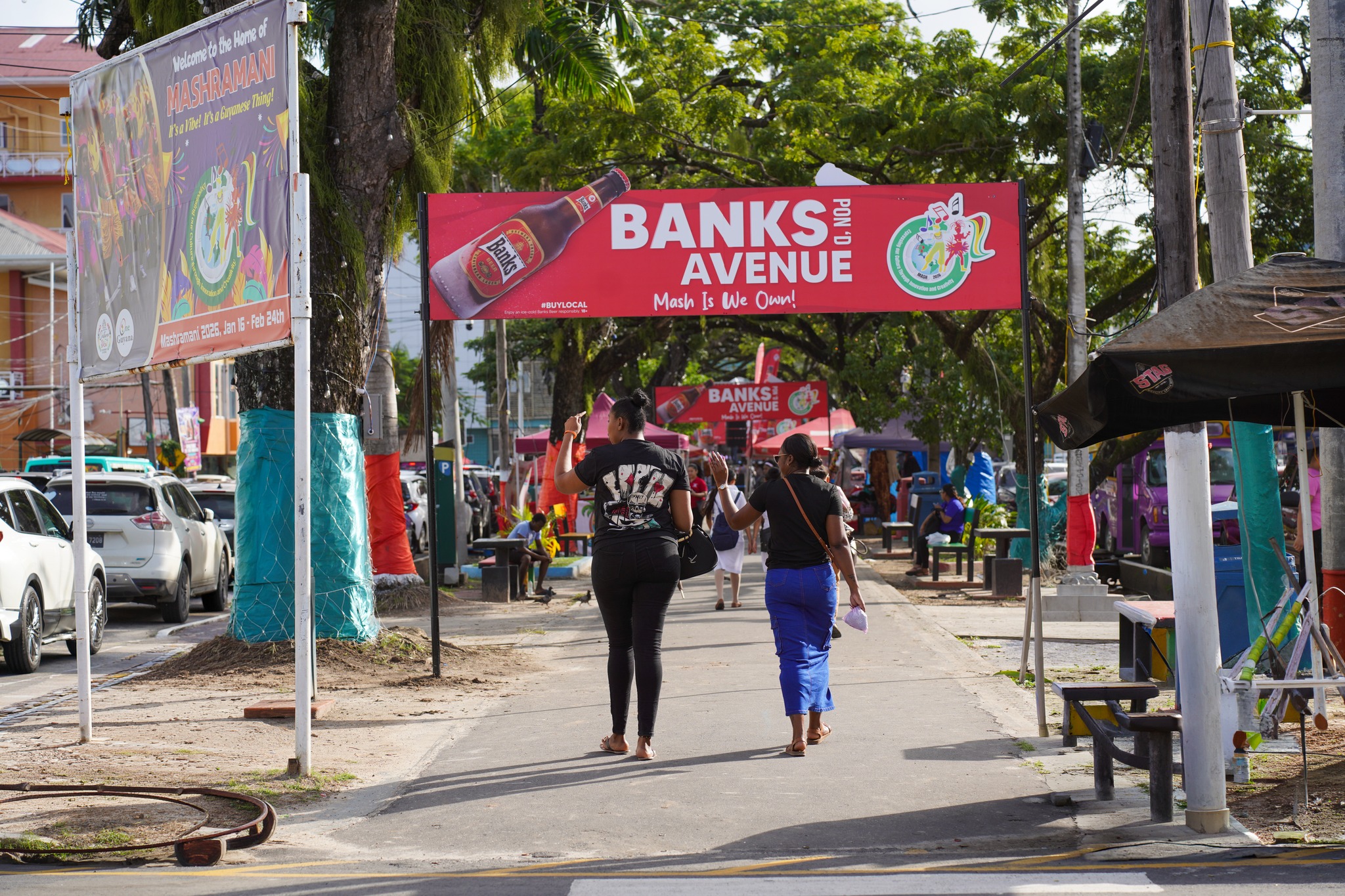
Photo Credit: Banks DIH Ltd.
Soca, Calypso, Chutney & Dancehall Monarch Competitions
Mashramani’s music competitions remain a major pillar of the season. Soca and Calypso Monarch have long been established fixtures, celebrating lyrical storytelling, social commentary, and high-energy party anthems.
In recent years, Chutney and Dancehall Monarch competitions have expanded the roster, reflecting Guyana’s evolving music scene and cultural diversity.
Artists from across the country prepare and submit original songs, competing through multiple rounds before reaching the finals. These competitions are increasingly staged in different regions, helping to decentralise Mashramani and bring the celebration beyond Georgetown.
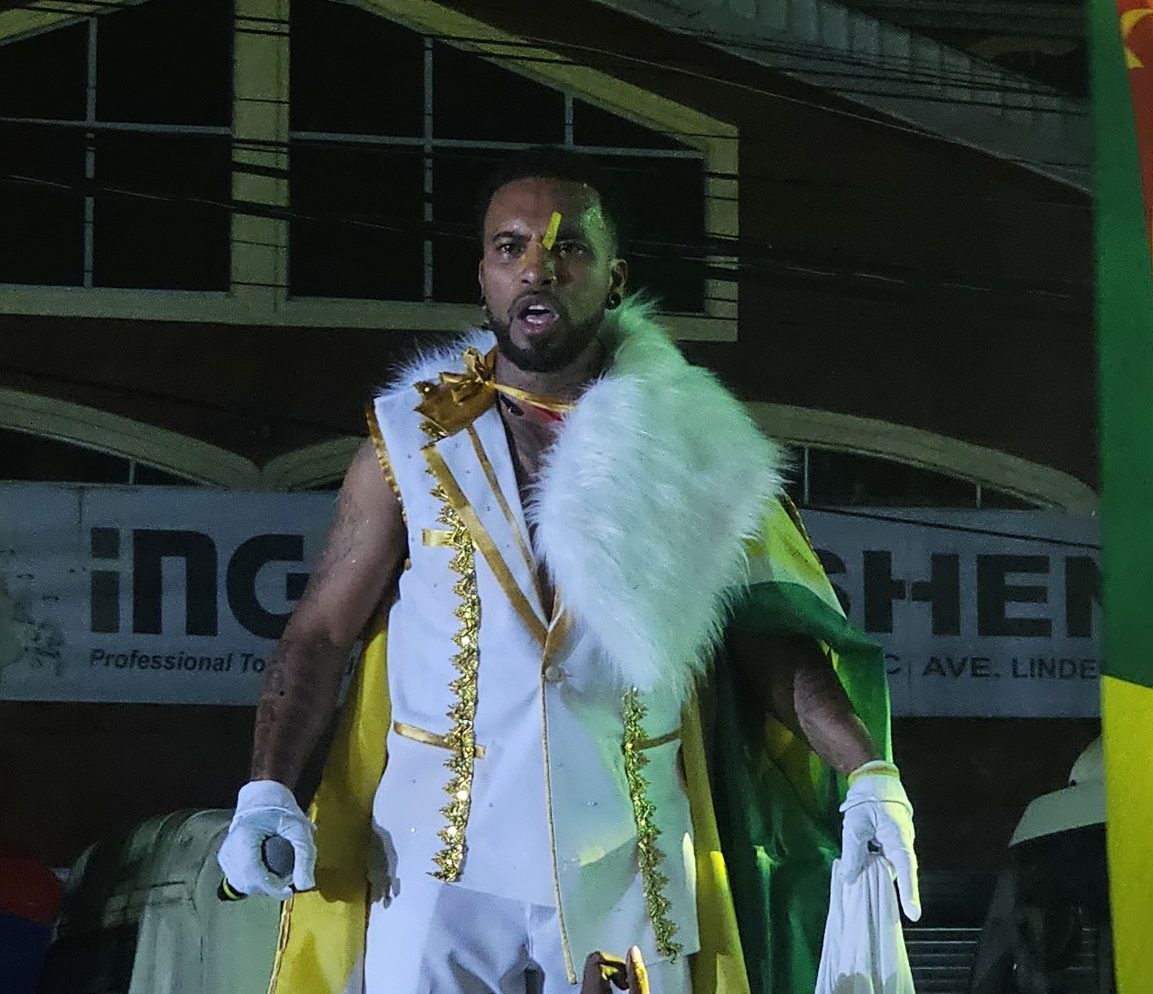
Photo Credit: News Room
Mashramani Panorama (Steelpan Competition)
What’s Mashramani without steelpan? Panorama brings the heartbeat of pan to the season, with youth bands, school bands, and large steel orchestras competing across categories.
Now staged at the Kingston Beach in Georgetown, Panorama showcases the Caribbean’s iconic instrument while nurturing the next generation of pan players. It’s one of the most musically rich and culturally rooted Mashramani events on the calendar.
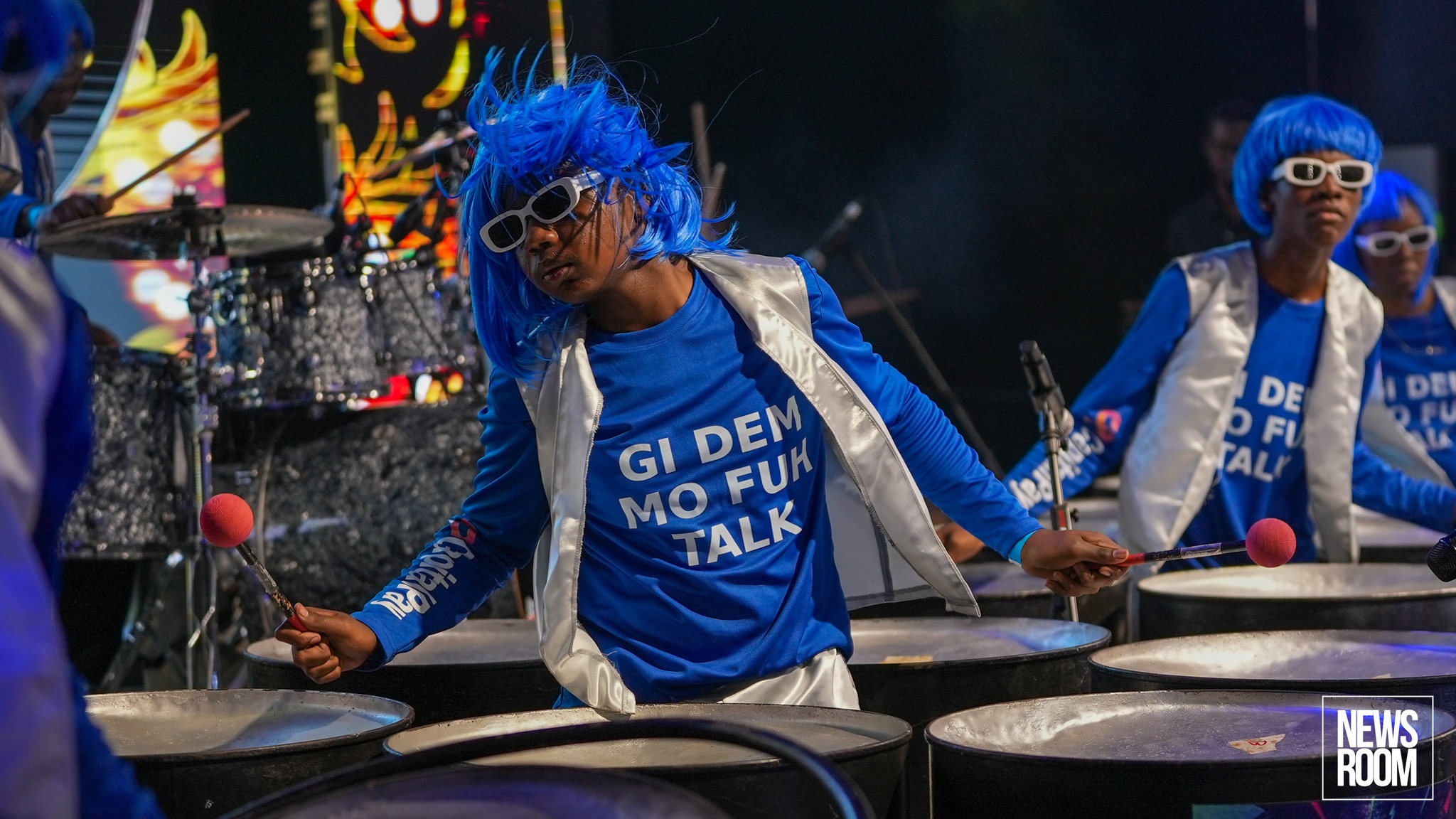
Photo Credit: NewsRoom
Children’s Mashramani Costume Parade
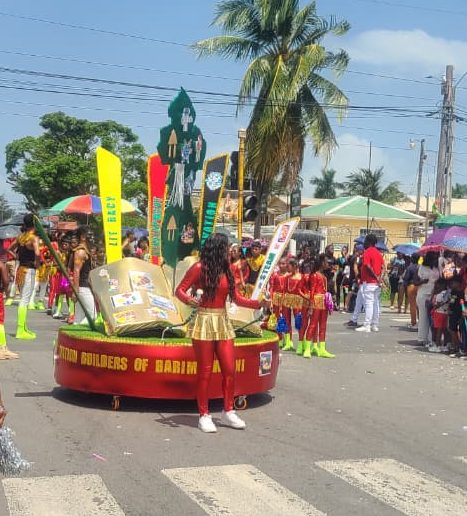
Before the adult revelry takes over, the streets belong to the children. The Children’s Mashramani Costume Parade sees schools, youth groups, and cultural organisations from across the country taking to the streets of Georgetown in colourful costumes.
Republic Day Flag-Raising Ceremony
The Republic Day observances begin on the evening of February 22 with a formal flag-raising ceremony, culminating at midnight when the Golden Arrowhead is raised to officially welcome February 23 – Republic Day in Guyana.
This ceremony is one of the most solemn and symbolic moments of the Mashramani season. Held in the presence of national leaders, members of the disciplined services, and citizens, it honours Guyana’s transition to a Republic and recognises the country’s sovereignty and national achievements.
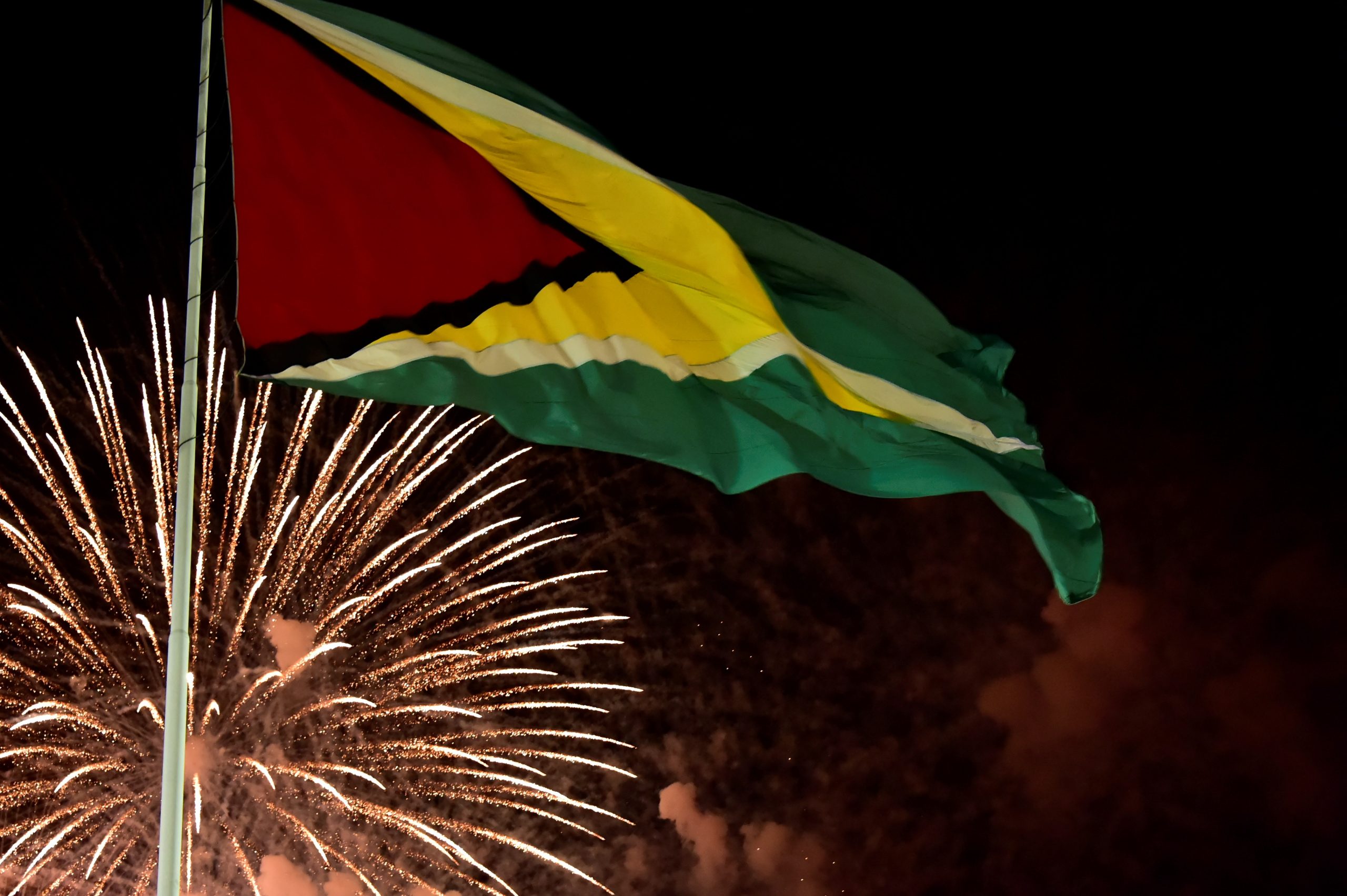
Photo Credit: NewsRoom
Mashramani Costume & Float Parade
This is the big day — the centrepiece of Mashramani. The Costume & Float Parade winds through the streets of Georgetown, bringing together elaborately designed floats, costume bands, dancers, cultural portrayals, music trucks, and creative storytelling.
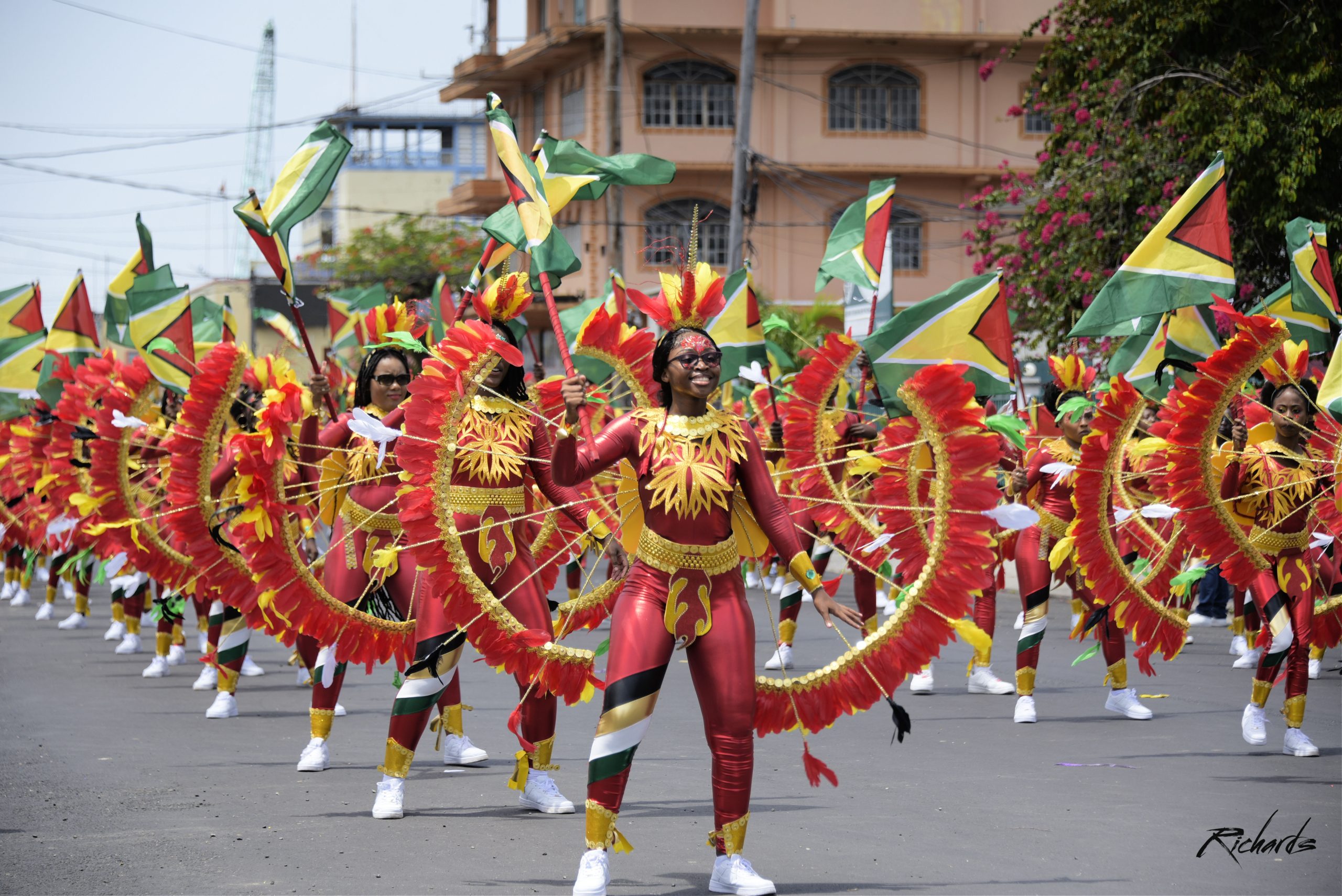
Photo Credit: Amanda Richards
These marquee events are only part of the story, as Mashramani also lives in the smaller community limes, regional celebrations, fetes, and cultural expressions that unfold across Guyana throughout the entire month.
For visitors, Mashramani offers something special: a chance to experience Guyana beyond its rainforests and rivers — to feel the rhythm of the people, the pride of the nation, and the joy of a country celebrating itself.